
 🏡 Barndominiums, Modulars & Tiny Homes in Texas: Are They the Future of Affordable Living?
In 2025, Texans are rethinking how and what they build. Traditional homes are great—but they’re not the only option anymore. If you’ve heard people talk about barndominiums, modular homes, or tiny houses and wondered what the hype is about… you’re in the right place.
Here’s your simple guide to what they are, where they’re growing, and why alternative builds are booming in Texas.
🔨 What Are These Homes, Really?
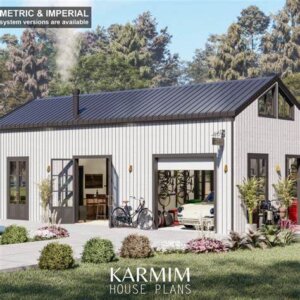
1. Barndominium (Barndo)
-
A barn-style metal building converted into a home.
-
Often features an open floor plan, high ceilings, and modern finishes.
-
Very popular on acreage properties in Texas.
🟢 Great for: Families, rural landowners, DIY builders.
2. Modular Home
-
Factory-built home, delivered in sections and assembled on-site.
-
NOT a mobile home—modulars meet the same building codes as traditional homes.
-
Can look identical to a regular house but often costs less.
🟢 Great for: Budget-minded buyers, investors, landowners who want fast construction.
3. Tiny Home
-
A compact house, typically under 400 sq ft, on wheels or foundation.
-
Great for downsizing, weekend rentals, or minimalists.
-
Often found in planned tiny home communities or placed on private land.
🟢 Great for: Singles, retirees, Airbnb investors, or flexible-living enthusiasts.
📍 Best Places in Texas for These Homes
Some Texas counties and cities are more flexible than others when it comes to zoning and permits.
🔥 Hot Spots:
-
Liberty, Cleveland, and Waller – Barndos and modular homes thrive here.
-
Bastrop, Elgin, and Giddings – Popular for tiny homes and creative builds.
-
Manvel & Rosharon – Growing rural areas with fewer deed restrictions.
-
South Fort Worth (Godley, Joshua) – Affordable land + investor interest.
Pro tip: Always check for utilities, flood zones, deed restrictions, and county rules before buying land for an alternative build.
💰 How Much Do They Cost?
| Home Type | Avg Cost per Sq Ft | Total Cost Range |
|---|---|---|
| Barndominium | $80–$140 | $160K–$350K+ |
| Modular Home | $90–$160 | $180K–$300K+ |
| Tiny Home | $30–$70 | $30K–$100K |
💡 Keep in mind: Prices vary based on land, permits, finishes, and builder quality.
👍 Pros & 👎 Cons
✅ Pros:
-
Lower build costs
-
Customizable designs
-
Faster construction timelines
-
Flexible zoning options (in some areas)
-
Great for rural or rental use
❌ Cons:
-
Financing can be tricky (some lenders don’t offer traditional mortgages)
-
Insurance may be more specialized
-
Zoning restrictions in some cities
-
Resale depends on buyer demand
🧠 Who Should Consider These Homes?
-
First-time buyers looking for affordability
-
Retirees wanting to downsize and live simpler
-
Investors building short-term rentals (Airbnb-friendly)
-
Landowners who want to build fast and build smart
📈 The ROI Potential
-
Barndominiums on 1–5 acre lots are renting for $2,000–$3,500/month in parts of Texas.
-
Modular homes offer instant cash flow when placed on land in high-demand areas.
-
Tiny homes in tourist towns (like Fredericksburg, Wimberley, or New Braunfels) make great Airbnb rentals.
💡 Bonus: Some investors are even building tiny home villages to generate income off one plot of land!
💬 Final Thoughts
Alternative builds aren’t just a trend—they’re a solution. In 2025, with rising home prices and land availability across Texas, buyers are choosing flexibility, creativity, and affordability.
If you’re thinking about building a barndo, placing a modular, or starting your tiny home journey, you don’t have to figure it out alone.
📩 Let’s find the right land, connect you with local builders, and help you build smart from the ground up.
Johnna Johnson, Realtor®
📧 [email protected]
📞 (281) 603-9620
Because building your dream doesn’t have to break the bank.